How to Stop TikTok Emails (2026)
Turn off TikTok email notifications in the app and on the web, use TikTok's email preference page, and block the emails that keep coming anyway.

TikTok emails are usually engagement nudges ("someone started following you," "you have new activity") and promotional messages. You can turn them off in the app, through TikTok's email preference page, or from the email itself.
How to stop TikTok emails in the app
- Open TikTok and tap Profile at the bottom.
- Tap the Menu (☰) at the top, then Settings and privacy.
- Tap Notifications.
- Scroll down to the Email notifications option and turn off the email types you don't want.
The Notifications page also controls push notifications, so make sure you're changing the email settings, not just push.
How to stop TikTok emails on the web
TikTok has an email subscription preferences page at tiktok.com/email/preference. Sign in and unsubscribe from the email types you don't want.
Use the unsubscribe link
TikTok marketing emails have an unsubscribe link at the bottom. Clicking it removes you from that type of email.
If TikTok emails keep coming
Some people report that engagement emails keep arriving even after changing every setting. If that happens:
- Double-check you changed settings on the right account (each TikTok account has its own).
- Account and security emails (login codes, password resets) are sent regardless of your preferences.
- As a last resort, create a filter or rule that archives or deletes mail from TikTok's sending address.
Block or filter TikTok emails in Gmail or Outlook
If some TikTok emails still get through, filter them in your email app so they skip your inbox:
- Gmail: open a TikTok email, click the three dots (More) at the top, and choose Filter messages like these. Click Create filter, then pick Skip the Inbox (Archive it) or Delete it.
- Outlook: right-click a TikTok email and choose Rules → Create rule to move messages from that sender to a folder. Or choose Block sender if you never want to see them. Blocking sends future messages to Junk.
A filter is better than blocking if some of the emails (receipts, security alerts) are ones you may need later.
Stop TikTok emails and every other newsletter with Inbox Zero
TikTok is rarely the only sender filling your inbox. Inbox Zero's Bulk Unsubscribe finds every newsletter and marketing sender in your Gmail or Outlook account and lets you deal with them together:
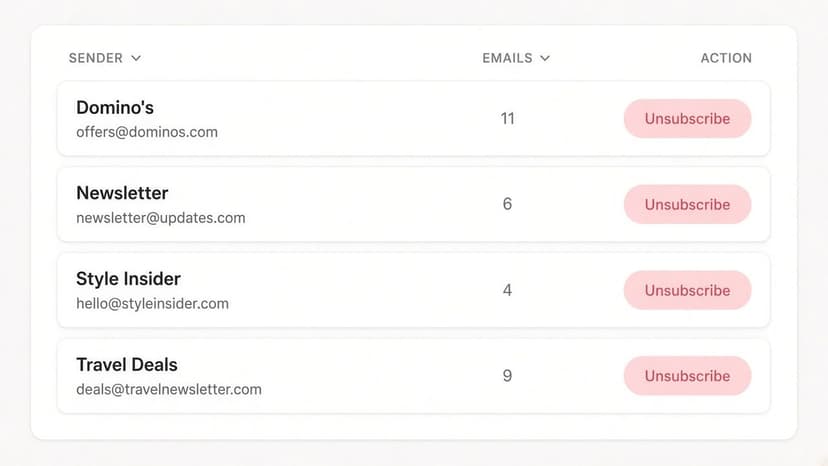
- See every sender in one list. Newsletters and marketing emails are grouped by sender, with how many each one sends and how often you actually open them.
- Unsubscribe in one click. Inbox Zero uses each sender's own unsubscribe mechanism, and you can select several senders at once. Select suggested picks out high-volume senders you rarely read.
- Auto Archive what won't stop. For senders that keep emailing (like engagement emails that ignore your settings), Auto Archive files future emails out of your inbox automatically, optionally with a label, so they're there if you need them.
- Clean up the backlog. Archive or delete old emails from a sender in bulk instead of scrolling through them.
For account notifications like TikTok's, the settings above are still the most complete fix, because they stop the emails at the source. Inbox Zero covers everything else, and it's open source.
FAQ
How do I turn off TikTok email notifications?
In the TikTok app, go to Profile → Menu (☰) → Settings and privacy → Notifications and turn off the email notification types you don't want. You can also use TikTok's email preference page at tiktok.com/email/preference.
Why do I still get TikTok emails after unsubscribing?
Security and account emails are always sent. For other emails, make sure you changed the email settings (not just push notifications) on every TikTok account linked to your address. If they still arrive, filter them out in your email app.
Does turning off TikTok emails affect my account?
No. Your account works the same. You just stop receiving those notifications by email; in-app notifications still work.
Sources
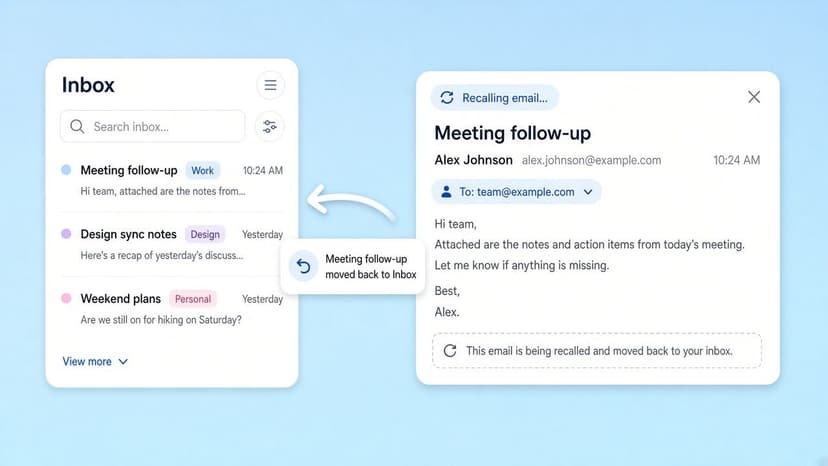
How to Recall an Email in Outlook (2026)
How to recall an email in Outlook step by step for new Outlook, classic Outlook, web, Mac, and mobile, plus when recall works and what to do when it doesn't.
2026-09-30T18:25:57.000Z
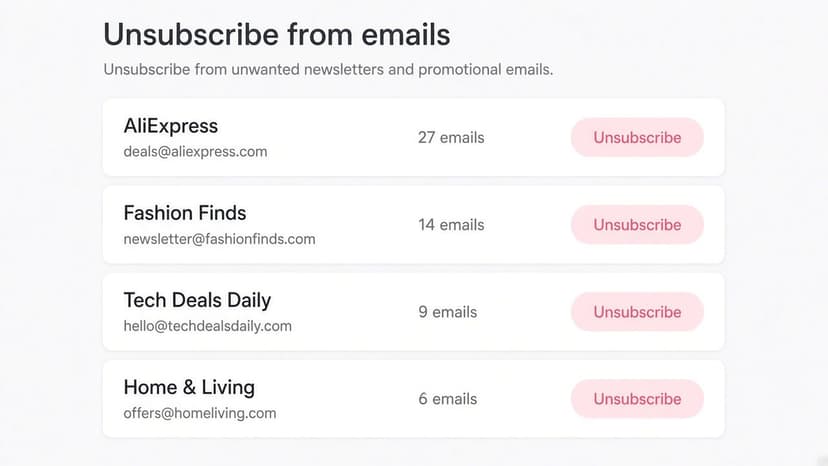
How to Stop AliExpress Emails (2026)
Stop AliExpress promotional emails: the unsubscribe link, notification settings in your AliExpress account, and what to do when the deals keep coming.
2026-09-30T18:25:57.000Z
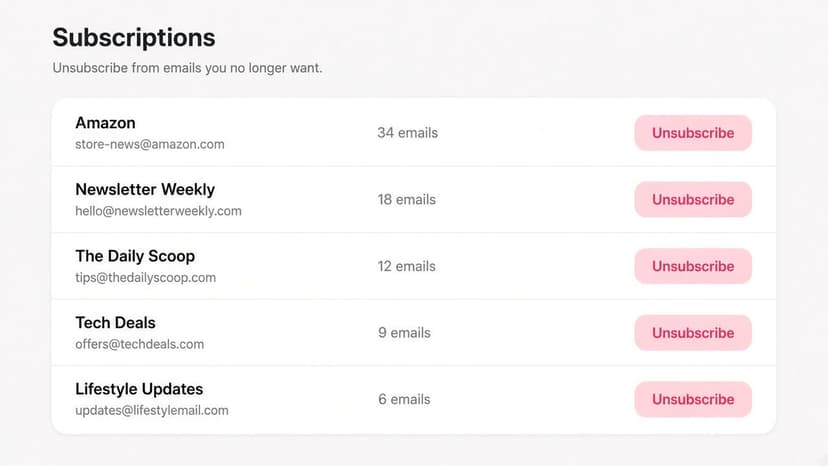
How to Stop Amazon Emails (2026)
Stop Amazon marketing emails with the Communication Preferences Center, manage Amazon email subscriptions, and handle order emails you can't switch off.
2026-09-30T18:25:57.000Z
How to Stop Domino's Emails (2026)
Stop Domino's emails with Domino's official opt-out page, stop Domino's text offers, and know which rewards emails keep coming.
2026-09-30T18:25:57.000Z